

-
 In other news, the final Utah Supreme court vacancies were filled this week after a months-long saga. And, Utah is establishing a new veterans cemetery in northern Utah.
 -
 Our hosts discuss record high diesel prices, Trump's promise of $5000 checks if Republicans win the midterms, and the federal investigation into Lt. Gov. Deidre Henderson.


-
 A new Utah report examining youth suicide found that many young people who died had people they could turn to, but still did not feel they belonged in their community.
 -
 In other news, Utah is offering farmers and ranchers "unprecedented" loan relief after a disaster-filled year. And, Glen Canyon National Recreation Area is getting lower-elevation boat ramps.
 -
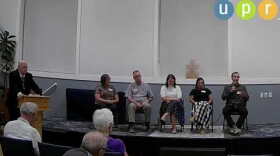 The League of Women Voters of Cache Valley is hosting a Meet the Candidates Night on Friday. Watch the livestream here.
 -
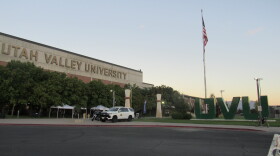 A year after a political activist Charlie Kirk was shot and killed on their campus, Utah Valley University held a memorial for him.
 -
 Salt Lake Tribune reporters discuss the week’s top stories, including a still-pending review of Charlie Kirk's shooting one year later and changes for BYU religion classes.
 -
 After a state review found multiple election law violations under the previous county clerk, the new administration has been recognized for improvements to Cache County’s election processes.
 -
In other news, thousands of Utah families could lose some or all childcare subsidies. And, Gov. Spencer Cox declared Thursday as Charlie Kirk Day a year after the deadly shooting.
-
 Our hosts discuss the pragmatic approach to climate change politics, whether or not the U.S. is "at war" with Iran, and takeaways from Gov. Cox's new book.
 -
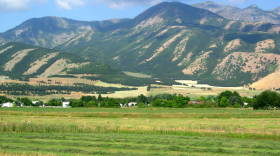 Settlers came to what's now called Wellsville on Sept. 15, 1856. Citizens of the town celebrated its history throughout the first week of September.
 -
In other news, less than 10% of Utah renters can afford to buy a home, according to a new study. And, a new shuttle connecting Moab and Arches National Park opened on Wednesday.


