

-
 Sandra Uecker/U.S. Fish and Wildlife ServiceWhen biologists first noticed increased bird flu cases in October, 49 cases had been reported. But because they can only test a limited number of carcasses, the true number is likely higher.
 -
 PickPikPredators like wolves have an advantage over deer and elk in deep snow. Understanding how different predators navigate snow can inform conservation and management.


-
 A new study on wildfire prediction specific to Utah uses a straightforward "hot days" method to predict the frequency and severity of wildfires across the state.
 -
 Pinyon-juniper woodlands are a common sight in much of Utah. But pinyon trees are declining, while junipers are expanding. The reason why comes down to water.
 -
 On Monday, the CDC changed their childhood vaccination recommendations, removing recommendations for several vaccines and reducing the number of targeted diseases.
 -
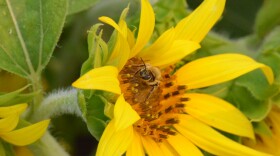 Wild bees across the west face a growing threat from microscopic parasites. Last week an Oregon researcher visited USU’s Ecology Center to discuss her findings.
 -
 A collaborative study between USU professor Dr. Scott Hotaling and Seattle University professor Dr. Eric Gilbertson explores how mountains are changing with the warming of the planet.
 -
 A terminal cancer patient rises from the grave. A medical marvel defies HIV. Two women with autoimmunity discover their own bodies have turned against them.
 -
 A University of Utah seismologist applies his skill set to studying saguaro cacti in Arizona.
 -
 How do whales impact the environment? The answer might surprise you. A visiting speaker at Utah State University explains his research.
 -
 New research from the University of Utah warns that carbon credits are typically misleading and points towards alternative solutions.
 -
 Plastic is everywhere, but the effects of plastic pollution on the environment are not well-understood.


